Nature’s Chemical Laboratory
For millennia, human civilization has relied upon the natural world as the primary source of medicine and healing. This reliance focuses particularly on the vast and diverse botanical kingdom. Before the advent of synthetic chemistry in the modern era, every remedy, balm, and tonic used to treat illness or alleviate suffering was derived directly from plants, fungi, or other natural organisms.
This deep, historical connection is not merely anecdotal tradition or ancient folklore. It is firmly rooted in the powerful and often complex Chemical Compounds that plants naturally produce for survival. Plants cannot run away from predators, harsh environmental conditions, or harmful microbes. Therefore, they have evolved sophisticated internal chemical defenses to protect themselves from these threats.
These defenses result in a spectacular array of unique, biologically active molecules. These molecules, which biologists call Secondary Metabolites, possess remarkable medicinal properties. They form the foundation of our entire modern pharmacopoeia. This ranges from ancient herbal teas to some of the most advanced prescription drugs used in hospitals today. The ongoing, extensive exploration of this natural chemical library remains one of the most promising and critical avenues in modern drug discovery research. It continually yields new leads to combat devastating diseases that still challenge humanity, like cancer, neurological disorders, and infectious agents.
The History of Plant-Based Medicine
The use of plants for strictly medicinal purposes is deeply embedded in human history. This practice predates all written records and extends far into prehistoric times. Traditional knowledge systems around the world have carefully cataloged thousands of species with proven therapeutic properties.
This long, continuous history provides a vital and irreplaceable starting point for modern science. It links ancient wisdom directly to contemporary pharmaceutical development and research.
A. Traditional Systems of Healing
Across various cultures worldwide, sophisticated, complex systems of healing emerged organically. These systems relied almost entirely on botanicals, and this invaluable knowledge was meticulously passed down through generations of healers.
-
In Traditional Chinese Medicine (TCM), detailed texts dating back thousands of years precisely describe the use of specific herbs. These herbs are often carefully combined in complex, synergistic formulas to treat systemic imbalances within the body.
-
Ayurveda, the ancient Indian system of medicine, emphasizes the holistic use of plant extracts and minerals. It specifically focuses on maintaining a natural balance between the mind, the body, and the spirit.
-
Indigenous and tribal knowledge from regions like the Amazon rainforest or Native American traditions hold invaluable, often still untapped, information. This localized knowledge covers the medicinal uses of local, often rare, flora.
B. Isolating Pure Compounds
The monumental transition from using whole, crude plant extracts to developing modern pharmacology began with a critical scientific capability. This was the ability to isolate the specific, single active compound responsible for the observed therapeutic effect. This pivotal process occurred mostly during the early 19th century.
-
The first major, game-changing breakthrough was the successful isolation of Morphine from the opium poppy (Papaver somniferum) in 1804. This established the fundamental concept of a pure, potent, single active ingredient.
-
In 1820, Quinine was successfully isolated from the bark of the Cinchona tree. Quinine instantly became the first effective pharmaceutical treatment for malaria, successfully saving countless lives globally.
-
The purification of Digitalis compounds from the foxglove plant (Digitalis purpurea) provided potent, life-saving treatments for chronic heart failure. This pivotal discovery paved the way for modern cardiology drugs.
C. The Decline and Resurgence
The middle of the 20th century saw a dramatic global shift towards purely synthetic drug development. This caused the extensive exploration of natural sources to significantly decline. However, this trend has recently been robustly reversed due to commercial necessity.
-
Rapid advances in chemical synthesis led many major pharmaceutical companies to falsely believe they could rationally design better, safer drugs from scratch. This led to a reduced reliance on often complex and scarce natural sources.
-
However, these massive synthetic chemical libraries consistently failed to produce sufficient new, viable drug candidates with novel mechanisms. This prompted a strong, necessary Resurgence in comprehensive natural product screening, particularly in the challenging fields of cancer and infectious diseases.
-
Modern laboratory technology, such as high-throughput screening, now allows researchers to rapidly analyze thousands of natural extracts. This process efficiently identifies compounds with desirable biological activity much faster than before.
The Chemistry of Life: Secondary Metabolites
The plant kingdom’s defensive chemical arsenal is composed of thousands of unique and diverse chemical structures. These are collectively known as Secondary Metabolites. These are compounds not directly involved in the plant’s essential growth or reproduction. Instead, they are absolutely crucial for its survival against external threats.
These complex molecules are characterized by their ability to interact with biological systems in profound ways. This interaction is often impossible to fully predict or successfully replicate in a standard laboratory setting.
A. Alkaloids
Alkaloids are an immense, diverse class of plant compounds. They are chemically characterized by the essential presence of a nitrogen atom, which often gives them a basic (alkaline) property. They are widely known for their extremely potent effects on the central nervous system.
-
Morphine and Codeine (derived from the poppy) are powerful analgesic (pain-relieving) and cough suppressants, respectively. Their action is due to their potent interaction with opioid receptors in the brain.
-
Nicotine (from tobacco) and Caffeine (from coffee/tea) are common alkaloids that act as central nervous system stimulants. They also function as powerful insect deterrents for the plant host.
-
Vincristine and Vinblastine (from the Madagascar periwinkle, Catharanthus roseus) are highly effective anti-cancer drugs. They specifically disrupt cancer cell division by interfering with the microtubule structure.
B. Terpenoids (Terpenes)
Terpenoids (or terpenes) are a vast family of compounds. They are structurally derived from five-carbon isoprene units linked together in various ways. They are responsible for the distinctive aromas of many plants and are the major components of essential oils.
-
The famous anti-malarial drug Artemisinin (from sweet wormwood, Artemisia annua) is a complex sesquiterpene molecule. It completely revolutionized the treatment of drug-resistant malaria globally.
-
Taxol (or paclitaxel, from the Pacific yew tree, Taxus brevifolia) is a complex diterpene known for its potent ability to stabilize cellular microtubules. It is one of the most successful and widely used anti-cancer agents worldwide.
-
Other simpler terpenes, like Limonene (abundantly found in citrus peels), are widely used for their fragrance. They are also being actively studied for their potential anti-inflammatory properties in human health.
C. Phenolics (Polyphenols)
Phenolic Compounds are chemically characterized by the essential presence of one or more hydroxyl groups ($\text{OH}$) precisely attached to an aromatic ring structure. This chemical structure often gives them powerful antioxidant and significant anti-inflammatory properties.
-
Flavonoids, found abundantly in most fruits, vegetables, and tea, are widely known for their strong Antioxidant Activity. They actively help the body neutralize damaging free radicals that cause cellular stress.
-
Resveratrol, found naturally in grape skin and red wine, is a stilbenoid phenol. It is studied extensively for its potential cardiovascular protective effects and possible anti-aging properties.
-
Salicylic Acid, the active component found in willow bark, is a simple phenolic compound. It served as the direct precursor to the synthetic drug Aspirin (acetylsalicylic acid), a globally consumed pain reliever and powerful anti-inflammatory drug.
Modern Drug Discovery Strategies
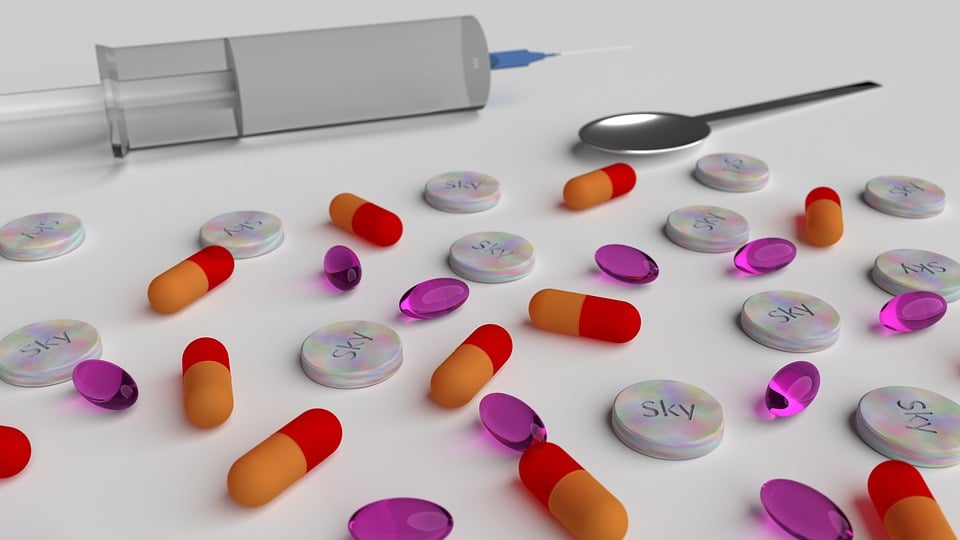
The rigorous process of successfully translating a natural plant compound into a safe, effective, and marketable drug is a long, highly multi-stage journey. Modern technology and strategic, targeted approaches have streamlined this complex path significantly in recent decades.
Contemporary drug discovery relies on a strategic blend of traditional plant knowledge, high-tech automated screening, and advanced synthetic chemistry.
A. Ethnobotany and Bioprospecting
The initial discovery process often begins in remote field locations, strategically seeking out plants already used by indigenous communities for healing. This process is formally known as Ethnobotany or Bioprospecting.
-
Ethnobotanists meticulously interview traditional healers and carefully document the medicinal uses of local plants. This helps to prioritize which plants should be chemically analyzed first.
-
This highly targeted approach is vastly more resource-efficient than purely random screening of plants. It relies on thousands of years of human observation and traditional knowledge to select compounds with promising biological activity.
-
However, bioprospecting raises serious ethical concerns regarding Benefit Sharing. Companies must ensure that the communities whose knowledge led to a discovery receive fair and equitable compensation.
B. High-Throughput Screening (HTS)
Once plant samples are reliably collected, they are processed into crude, concentrated extracts. These extracts are then subjected to rapid, automated testing against a specific disease target in the lab.
-
HTS uses advanced robotic systems to rapidly test thousands of samples per day against a specific biological assay. This assay could be, for example, blocking a particular enzyme or selectively killing a specific cancer cell line.
-
This process identifies initial “hits” (compounds with activity). The single active compound must then be meticulously isolated, purified, and its exact, full chemical structure determined (Structure Elucidation).
-
Finding a potent pure compound is just the very first step. It must then be rigorously tested for potential toxicity and demonstrated efficacy in increasingly complex biological models, like cell culture and then animals.
C. Structure-Activity Relationship (SAR)
Few natural products are perfect, fully optimized drug candidates in their original, natural state. Once the complex structure of a promising natural compound is known, synthetic chemists must often modify it strategically.
-
SAR involves systematically changing specific parts of the natural molecule’s structure. This is done to improve its desired potency, reduce its unwanted toxicity, increase its overall stability, or enhance its absorption within the body.
-
Aspirin is a classic, perfect example of SAR application. Synthetic modification of the natural phenolic compound salicylic acid dramatically improved its tolerability and significantly reduced stomach irritation in patients.
-
Many modern, blockbuster drugs, like the semi-synthetic statins (cholesterol-lowering drugs), began as specific natural products. They were then chemically optimized over time to become highly effective, low-dose pharmaceuticals.
Case Studies of Successful Plant Drugs
Several key drugs derived directly from plants serve as powerful, undeniable examples of nature’s pharmacy in effective action. These groundbreaking molecules have fundamentally changed the course of treatment for major human diseases.
These significant success stories clearly underscore the continuous, often unpredictable, and irreplaceable value of thoroughly exploring the entire botanical world.
A. Artemisinin for Malaria
Malaria is a devastating parasitic disease that affects millions globally. The discovery of Artemisinin from a traditional Chinese herb represents a pivotal, major moment in modern, global medicine.
-
The compound was successfully identified from sweet wormwood (Artemisia annua) based on ancient TCM texts. These texts described its historical use for treating recurring fever. The discovery earned researcher Youyou Tu the Nobel Prize in 2015.
-
Artemisinin-based combination therapies (ACTs) are now the standard, first-line global treatment for complicated malaria cases. They are critically effective even against strains that have become highly resistant to older drugs like Quinine.
-
Artemisinin works by generating highly reactive, damaging free radicals inside the infected red blood cells. These free radicals rapidly and effectively destroy the malaria parasite residing there.
B. Paclitaxel (Taxol) for Cancer
Paclitaxel is one of the most successful and widely used chemotherapy drugs in the fight against various cancers. Its complex source is the slow-growing bark of the endangered Pacific yew tree (Taxus brevifolia).
-
The initial discovery led to serious environmental concerns immediately. Harvesting the slow-growing bark required tragically destroying the tree, which made the drug’s supply extremely unstable and non-sustainable.
-
Chemists later successfully developed semi-synthetic production routes. This used a more abundant precursor compound derived from the yew needles, eventually leading to complex total synthetic routes to ensure a sustainable supply.
-
Paclitaxel works by potently inhibiting the breakdown of microtubules within actively dividing cancer cells. This effectively freezes the cell during the critical process of mitosis, inevitably leading to programmed cell death.
C. Colchicine for Gout
Colchicine is a highly potent, ancient alkaloid extracted from the autumn crocus plant (Colchicum autumnale). It has been used for centuries across Europe to successfully treat painful joint inflammation.
-
It remains the standard, highly effective primary treatment for acute attacks of Gout. Gout is a painful form of inflammatory arthritis caused by the unfortunate deposition of sharp uric acid crystals in the joints.
-
Colchicine works by specifically inhibiting the mobilization and activity of neutrophils (a type of white blood cell). These are the specific cells responsible for driving the painful inflammation during an acute gout attack.
-
Despite its known toxicity at high doses, its unique and potent anti-inflammatory mechanism makes it an indispensable drug in the field of rheumatology today.
Challenges and the Future Outlook
Despite the numerous, significant successes, the demanding field of natural product drug discovery faces considerable, complex challenges. Addressing these specific issues is absolutely vital for the continued viability and success of this critical research avenue.
The future of the field lies in strategically using advanced technology and interdisciplinary science. This is necessary to overcome problems related to rarity, structural complexity, and ethical sourcing.
A. Rarity and Sustainability
Many medicinally important plant species are inherently rare, slow-growing, or found only in highly specific, remote ecosystems. This naturally poses serious problems for achieving reliable, large-scale pharmaceutical production.
-
Uncontrolled over-harvesting of wild populations can inevitably lead to the Endangerment or even complete extinction of valuable species. This tragic loss depletes the natural world’s chemical library forever.
-
Sustainable solutions include establishing controlled, specialized farms for cultivation. Other methods include developing efficient cell culture fermentation techniques (producing the compound in laboratory vats), or achieving complex total chemical synthesis.
-
International agreements, such as the Nagoya Protocol, attempt to strictly regulate access to global genetic resources. They also aim to ensure that the communities whose knowledge led to a discovery receive fair and equitable sharing of any benefits.
B. Chemical Complexity
Natural products are often far more chemically complex and structurally unique than simpler synthetic molecules designed in a lab. This inherent complexity presents serious difficulties for purification, structure elucidation, and subsequent chemical modification.
-
Crude extracts from plants frequently contain hundreds of different compounds. This makes the isolation of the single, pure active ingredient a laborious, time-consuming, and expensive process.
-
The complex, three-dimensional, chiral structures of many natural products are often intrinsically difficult and extremely expensive to replicate precisely through total chemical synthesis in a lab setting.
-
The rise of computational Bioinformatics now helps researchers predict the likely chemical structure and biological activity of compounds. This is done based on the plant’s genetic sequence, significantly speeding up the early discovery phase.
C. Endophytes and Marine Sources
The intensive search for new natural products has expanded strategically beyond terrestrial plants. This now includes seeking out hidden microbial partners and exploring vast, untapped marine ecosystems.
-
Endophytic Fungi are unique microbes that live symbiotically inside plant tissues. They often produce powerful compounds chemically similar to their host. They are a promising new, rich source of unique compounds, including some anti-cancer agents.
-
The Marine Environment is now recognized as the next major, crucial frontier in drug discovery. Organisms like sponges, corals, and marine bacteria produce unique, novel metabolites for defense in the aquatic realm. Many of these possess potent antiviral and strong anti-inflammatory activities.
-
These exciting new sources promise to significantly replenish the vital pipeline of natural drug leads. This ensures the continuity of nature’s irreplaceable contribution to pharmaceutical innovation and global health for years to come.
Conclusion
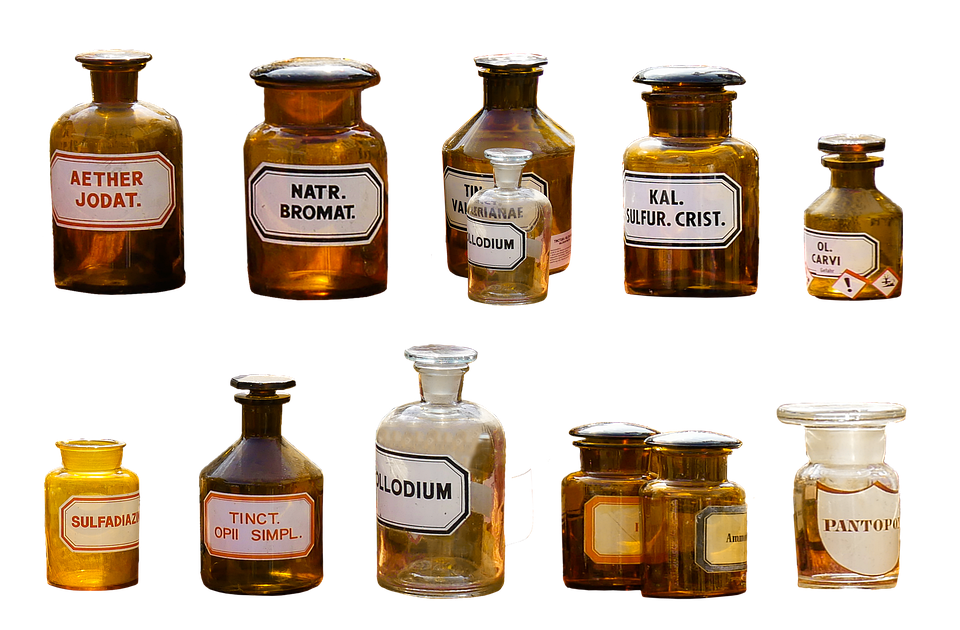
The botanical world is an unrivaled chemical library, and Nature’s Pharmacy has historically provided the foundation for human medicine, a practice documented across Traditional Systems of Healing globally. Modern science has successfully isolated powerful Alkaloids like Morphine, complex Terpenoids such as Artemisinin, and potent Phenolic Compounds like Resveratrol.
The journey of drug discovery begins with Ethnobotany and is accelerated by High-Throughput Screening (HTS), followed by chemical refinement using the Structure-Activity Relationship (SAR). Historic successes like Artemisinin for malaria and Paclitaxel for cancer vividly demonstrate the irreplaceable value of plant-derived compounds.
However, the future of this field must address significant challenges, including issues of Rarity and Sustainability and the inherent Chemical Complexity of these molecules. The ongoing exploration, now extending into Endophytes and Marine Sources, promises to continue yielding life-saving medicines. This ensures that the natural world remains an essential, vital resource for pharmaceutical innovation and global health.