The Unseen Universe Within Us
The human body is far more than just a collection of human cells; it is a staggering, complex, and bustling ecosystem. This ecosystem is home to trillions of microorganisms that collectively form the Human Microbiome. This vast, diverse community includes bacteria, fungi, archaea, and viruses, which inhabit virtually every surface of our body.
These tiny residents live everywhere from the skin and mouth to the lungs and, most densely, the gut. Scientists estimate that these microbial cells outnumber our own human cells by a factor of at least 1.3 to 1. This effectively makes us genetically more microbial than human.
This microscopic world is not a passive passenger; it is an active, essential partner engaged in a crucial symbiotic relationship with us, its host. These tiny residents are critically involved in processes like digesting food, synthesizing essential vitamins, and regulating our immune system. They even influence our mood and behavior through complex signaling pathways. Understanding the composition, diversity, and dynamic function of this invisible ecosystem is the key to unlocking new frontiers in medicine. This knowledge offers novel approaches to treat chronic diseases, manage metabolism, and promote overall well-being.
Defining the Human Microbiome
The term Microbiome refers to the totality of microbes, their genes, and their surrounding environment within a specific habitat. In the context of humans, it represents all the microorganisms found in and on the body at any given time.
The complexity of this ecosystem varies significantly across different regions of the body. Each physical region provides unique conditions that select for specialized microbial communities perfectly adapted to that niche.
A. Diversity and Composition
The human microbiome is characterized by its immense diversity, which is essential for its function and resilience against change. A healthy microbiome boasts a wide range of different microbial species.
-
The primary phyla of bacteria found in the gut are Bacteroidetes and Firmicutes. Their specific relative abundance is often used as a key indicator of underlying gut health.
-
Other important groups present include Actinobacteria and Proteobacteria. A high, disproportionate presence of Proteobacteria, however, is often associated with gut dysbiosis and inflammation.
-
Microbial diversity is positively correlated with host health and robustness. A low diversity microbiome is frequently observed in individuals suffering from obesity, diabetes, and inflammatory bowel disease (IBD).
B. Specialized Microbial Habitats
Different physical parts of the body offer unique environmental conditions. These factors, such as pH, oxygen levels, and moisture, support specialized microbial populations perfectly adapted to their local environment.
-
The Oral Microbiome contains hundreds of species specifically adapted to the moist, nutrient-rich environment of the mouth. This community includes bacteria responsible for both health and debilitating dental diseases like periodontitis.
-
The Skin Microbiome is highly varied across the body surface. It is divided into oily, moist, and dry sites, with specific bacteria like Propionibacterium acnes thriving in the oily sebaceous glands.
-
The Gut Microbiome (primarily in the large intestine) is the most dense and diverse of all body sites. It operates in a strictly anaerobic (oxygen-free) environment, allowing specialized fermenting organisms to thrive.
C. Establishment of the Microbiome
The initial colonization of a human’s microbial community begins immediately at birth. It is critically influenced by the earliest environmental exposures. This initial seeding of microbes sets the definitive stage for lifelong microbial health and development.
-
Infants born via Vaginal Delivery are immediately exposed to the mother’s vaginal and fecal microbes. These microbes rapidly colonize the infant’s gut immediately after birth.
-
Infants born via Cesarean Section (C-Section) are initially colonized by the mother’s skin microbes and the surrounding hospital environment microbes. This often results in lower early microbial diversity and delayed gut maturation.
-
Breastfeeding further shapes the infant microbiome significantly. It introduces specific beneficial bacteria (like Bifidobacterium) and special complex sugars that selectively feed these microbes, promoting their growth.
Functional Roles in Human Metabolism
The microbial ecosystem within the gut does far more than simply reside there passively. It actively participates in and profoundly modifies several essential metabolic processes that directly impact the host’s overall health and energy balance.
These powerful microbial functions efficiently extract crucial nutrients and energy that would otherwise be completely unavailable to the human body alone.
A. Dietary Fiber Digestion
The human small intestine naturally lacks the necessary digestive enzymes to break down complex carbohydrates like dietary fiber. This is precisely where the gut microbes perform their most vital, unique function for us.
-
Gut bacteria collectively possess a vast library of powerful enzymes. These enzymes are fully capable of effectively fermenting these otherwise indigestible complex plant fibers.
-
This fermentation process yields crucial metabolic byproducts known as Short-Chain Fatty Acids (SCFAs). The three most common and important SCFAs are acetate, propionate, and butyrate.
-
Butyrate is particularly important and beneficial. It is the preferred energy source for the cells lining the colon, helping to maintain the integrity of the gut barrier and actively reduce inflammation.
B. Vitamin Synthesis
Certain specialized species of gut bacteria are uniquely capable of synthesizing essential vitamins. These are vitamins that the human body cannot produce on its own or cannot easily obtain through diet alone.
-
The gut microbiome is considered the primary, most consistent source of Vitamin K (specifically $\text{K}_2$) for the body. This vitamin is critical for proper blood clotting and healthy bone metabolism.
-
They also synthesize several crucial B Vitamins, including biotin, folate ($\text{B}_9$), and cobalamin ($\text{B}_{12}$). These are vital co-factors for cellular energy production and DNA synthesis.
-
Although the host absorbs some of these microbially-produced vitamins, the exact amount that is physiologically available to the host can vary significantly based on species and diet.
C. Regulation of Energy Harvesting
The precise composition of the gut microbiome appears to influence how efficiently the host extracts energy (calories) from consumed food. This difference in efficiency can have major implications for weight management and body composition.
-
Scientific studies have shown that some microbial communities are much more effective at breaking down complex fiber. This potentially leads to increased caloric energy harvesting for the host from the same diet.
-
An imbalance, or state of Dysbiosis, characterized by specific microbial ratios, has been clinically linked to increased fat storage and obesity in numerous experimental models.
-
This strong evidence suggests that actively modulating the microbiome could potentially offer a novel therapeutic target for effectively managing metabolic disorders and obesity in humans.
The Gut-Immune Axis
The majority, around 70-80 percent, of the body’s entire immune system physically resides in the gut. This makes the crucial interaction between the immune cells and the resident microbes incredibly vital for health. This relationship is a delicate, continuous balance of tolerance and strategic defense.
The microbiome is absolutely essential for the proper development, rigorous education, and continuous function of the host’s innate and adaptive immune defenses throughout life.
A. Immune System Education
Early life exposure to a diverse, robust microbial community is essential for “educating” the developing immune system. This teaches it to accurately distinguish between truly harmful pathogens and beneficial, harmless residents.
-
Microbial signals, often mediated by their metabolic byproducts like SCFAs, actively guide the maturation of key immune cell populations right in the gut lining.
-
Proper microbial education helps prevent the immune system from becoming inappropriately hyper-responsive to harmless substances, such as food components. This reduces the lifelong risk of allergies and autoimmune diseases.
-
A lack of early microbial exposure is hypothesized to contribute significantly to the rise in allergic and autoimmune conditions. This concept is widely known as the Hygiene Hypothesis.
B. Barrier Function and Protection
The gut lining (the epithelium) acts as a critical physical barrier. It prevents harmful substances and pathogens from entering the bloodstream. The microbiome is absolutely critical for actively maintaining this protective barrier’s integrity.
-
Beneficial bacteria compete aggressively for both space and nutrients with potential invading pathogens. This crucial process is called Colonization Resistance. This makes it harder for harmful microbes to establish themselves permanently.
-
Microbial products, particularly the SCFA butyrate, actively nourish the epithelial cells. This helps to strengthen the Tight Junctions that seal the gut lining, effectively preventing Leaky Gut Syndrome.
-
Disruption of this vital barrier allows bacterial toxins to enter the systemic circulation. This can potentially trigger systemic inflammation linked to various chronic illnesses.
C. Inflammation Modulation
The complex microbial community actively participates in modulating the inflammatory state of both the gut and the rest of the body. They possess potent, natural anti-inflammatory capabilities.
-
Certain beneficial microbes produce specific molecules that directly inhibit the activation of pro-inflammatory immune cells. They also promote the crucial development of regulatory T-cells ($\text{T}_{\text{reg}}$).
-
A state of dysbiosis, where beneficial species are severely depleted and harmful species proliferate, actively promotes a chronic low-grade inflammatory environment systemically.
-
This chronic inflammation is implicated in local gut diseases like IBD and irritable bowel syndrome (IBS). It also contributes significantly to systemic conditions like metabolic syndrome and heart disease.
The Gut-Brain Axis
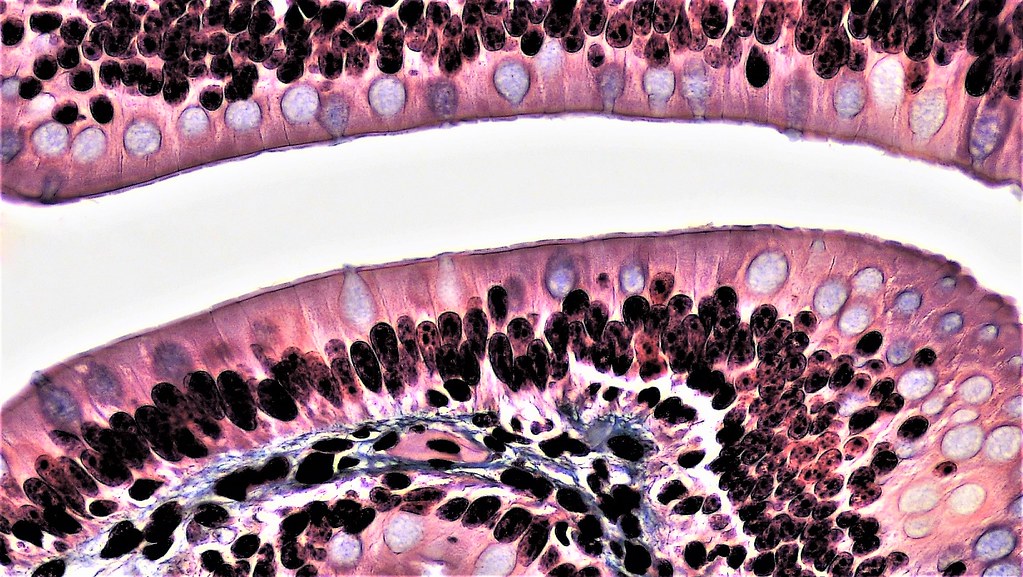
One of the most exciting recent discoveries in neuroscience is the realization that the gut and the brain are in constant, bidirectional, vigorous communication. This profound, complex connection is scientifically known as the Gut-Brain Axis.
This complex signaling pathway allows the microbial community to significantly influence the host’s mood, cognitive function, stress response, and overall neurological health.
A. Neurotransmitter Production
Many of the crucial chemical signals that the brain uses, known as Neurotransmitters, are also produced abundantly by bacteria within the gut. The gut, therefore, effectively acts as a secondary, major neurochemical factory for the body.
-
The gut microbiome is directly responsible for producing a significant portion of the body’s total Serotonin. Serotonin is a vital neurotransmitter that primarily regulates mood, sleep, and appetite.
-
Microbes can also produce GABA (Gamma-Aminobutyric Acid). This is the primary inhibitory neurotransmitter, playing a key role in regulating anxiety and promoting relaxation.
-
These microbial products can signal the brain directly via the Vagus Nerve. They can also signal indirectly by influencing the systemic immune system and circulating hormone levels.
B. Stress and Behavior
The microbiome has been convincingly shown to play an active, important role in mediating the body’s physiological and psychological response to stress. It may even influence complex behaviors and specific mental health conditions.
-
Studies in animal models strongly suggest that the presence of certain beneficial gut bacteria can actively reduce anxiety-like and depressive-like behaviors. They can also effectively moderate the body’s damaging cortisol response to acute stress.
-
The term Psychobiotics refers to specific live organisms that, when intentionally ingested, reliably produce a measurable mental health benefit via the active gut-brain axis.
-
Dysbiosis has been increasingly linked to several severe neurological disorders. These include autism spectrum disorder, Parkinson’s disease, and major depressive disorder, indicating a strong correlation.
C. Vagus Nerve Connection
The Vagus Nerve is the longest cranial nerve in the body. It acts as the primary, physical superhighway connecting the enteric nervous system (the “second brain” in the gut) directly to the central nervous system (the primary brain).
-
Signals originating directly from gut microbes can activate sensory neurons in the gut wall. These signals are then rapidly transmitted along the Vagus Nerve to the brainstem for processing.
-
This direct, dedicated connection provides a fast, physiological pathway. Through this, rapid changes in the microbial environment can quickly and profoundly influence both brain function and emotional state.
-
Physically severing the Vagus Nerve has been shown in some animal studies to completely abolish the behavioral effects induced by experimentally manipulating the gut flora.
Modulating the Microbiome for Health
Given the profound and pervasive influence of the microbiome on overall human health, immense research effort is currently focused on developing effective therapeutic strategies. The goal is to deliberately modify and restore a healthy, resilient microbial balance.
These interventions offer promising, often non-invasive ways to manage and prevent a wide and diverse range of chronic diseases.
A. Probiotics and Prebiotics
The most accessible and common ways to influence the microbiome involve introducing beneficial organisms or providing them with their preferred, selective food source.
-
Probiotics are scientifically defined as live microorganisms that, when administered in adequate amounts, reliably confer a specific health benefit on the host. Common probiotic types include Lactobacillus and Bifidobacterium.
-
Prebiotics are non-digestible food ingredients (like specific types of fiber) that selectively stimulate the growth and/or activity of beneficial bacteria already naturally residing in the colon.
-
Combining the two is known as a Synbiotic formulation. The goal is to provide both the essential seed (probiotic) and the necessary fertilizer (prebiotic) for a healthier gut ecosystem to thrive.
B. Dietary Intervention
Diet is arguably the single most powerful and immediate modulator of the entire microbiome composition and activity. What we choose to eat directly and immediately feeds the microbial community within us, for better or worse.
-
A diet consistently rich in Whole Foods, particularly diverse plant-based fibers and traditionally fermented foods, actively promotes a highly diverse and robust microbial community profile.
-
A typical Western-style diet, which is usually high in processed foods, simple sugar, and saturated fats, tends to drastically reduce diversity and favors specific, often inflammatory microbial species.
-
The resulting change in the microbiome composition following a significant, dedicated dietary shift can often be reliably measured within just a few days of starting the new diet.
C. Fecal Microbiota Transplantation (FMT)
For severe, unrelenting cases of gut dysbiosis, particularly recurrent Clostridium difficile infection (C. diff), transferring a complete microbial ecosystem from a rigorously screened healthy donor is highly effective and often life-saving.
-
Fecal Microbiota Transplantation (FMT) involves transferring stool from a thoroughly screened healthy donor directly into the gut of a suffering patient.
-
FMT is remarkably successful, often curing recurrent C. diff infection with an astonishing efficacy rate exceeding 90 percent after a single treatment.
-
Researchers are also actively exploring FMT as a potential future treatment for other conditions, including IBD, severe IBS, and metabolic syndrome, though results for these remain more variable.
Conclusion
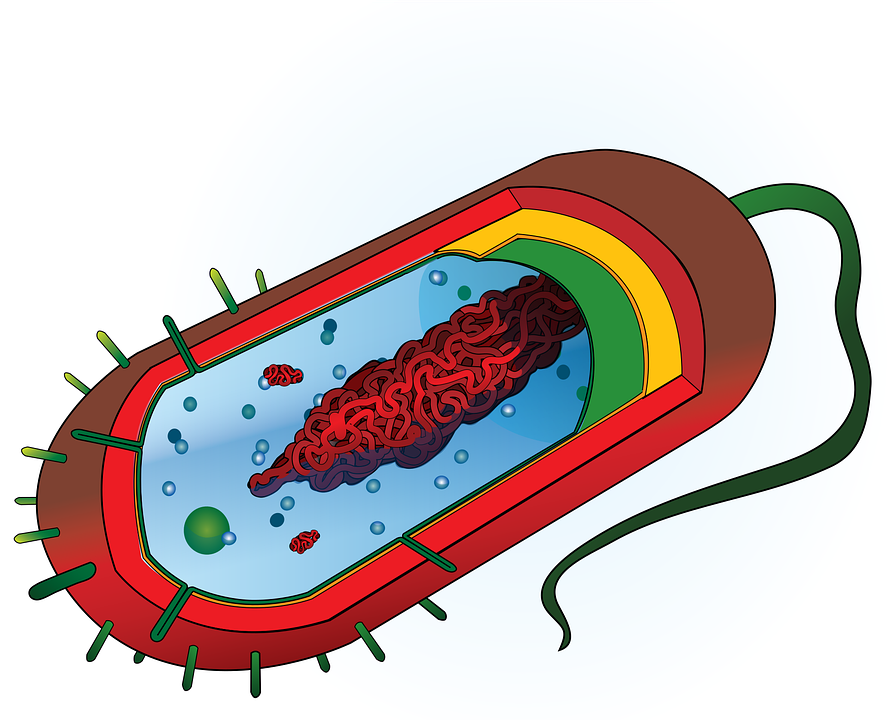
The Human Microbiome is a complex, vast, and indispensable internal Ecosystem comprised of trillions of microbes that fundamentally define human health and function. Its sheer Diversity and dynamic Composition, which is meticulously established early in life, are critical indicators of an individual’s overall well-being. These crucial microbial communities perform vital Metabolic Functions, including the critical digestion of dietary fiber into beneficial Short-Chain Fatty Acids (SCFAs) and the necessary Synthesis of Essential Vitamins.
This microbial community is integral to the proper development and continuous function of the host’s Immune System, maintaining the crucial Gut Barrier Function and actively modulating systemic Inflammation throughout the body. Furthermore, the powerful discovery of the Gut-Brain Axis highlights the profound microbial influence on Neurotransmitter Production, Stress Response, and mental health, opening new avenues of psychological research.
Leveraging this burgeoning knowledge, scientists are rapidly developing novel therapeutic approaches to modulate this ecosystem, including the smart use of Probiotics and Prebiotics, strategic Dietary Intervention, and the highly effective Fecal Microbiota Transplantation (FMT) for severe, debilitating dysbiosis. The future of medicine increasingly recognizes that true, lasting health is a complex partnership with our unseen microbial residents. Further exploration of this invisible ecosystem promises profound breakthroughs in treating chronic diseases.